The Shield’s Masterstroke
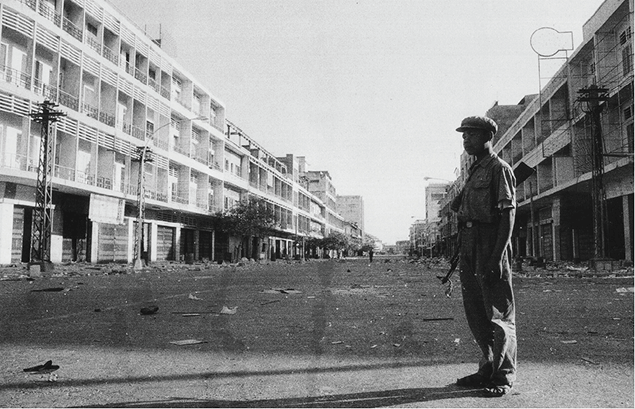
The liberation of Phnom Penh in January 1979 was not the end of Cambodia’s suffering. It was the beginning of another struggle, and the leaders had to face another challenge. When the nightmare of the Khmer Rouge collapsed, it left behind a city broken, villages emptied, families scattered, and a nation stripped. To stand in Phnom Penh in those first days after liberation was like walking through a ghost city.The Shield’s Masterstroke
Hun Sen knew that saving Cambodia once from the killing fields was not enough. Liberation was a door — yet beyond that door stood a land shattered, fragile, and still threatened by danger. Guns still echoed across the country. The Khmer Rouge was not gone — it was hiding, regathering its forces to strike again. And beyond them, other factions, other voices, other powers all vied for control over the scarred body of Cambodia. War had not ended; its form had simply changed. Before taking the role of Prime Minister, Hun Sen had already served as one of Cambodia’s most capable young diplomats — representing his nation with extraordinary courage and wisdom during a time when Cambodia had few voices left on the international stage. His early years as a statesman revealed his instinct to speak for a wounded nation and to negotiate under pressure, earning respect far beyond his age.