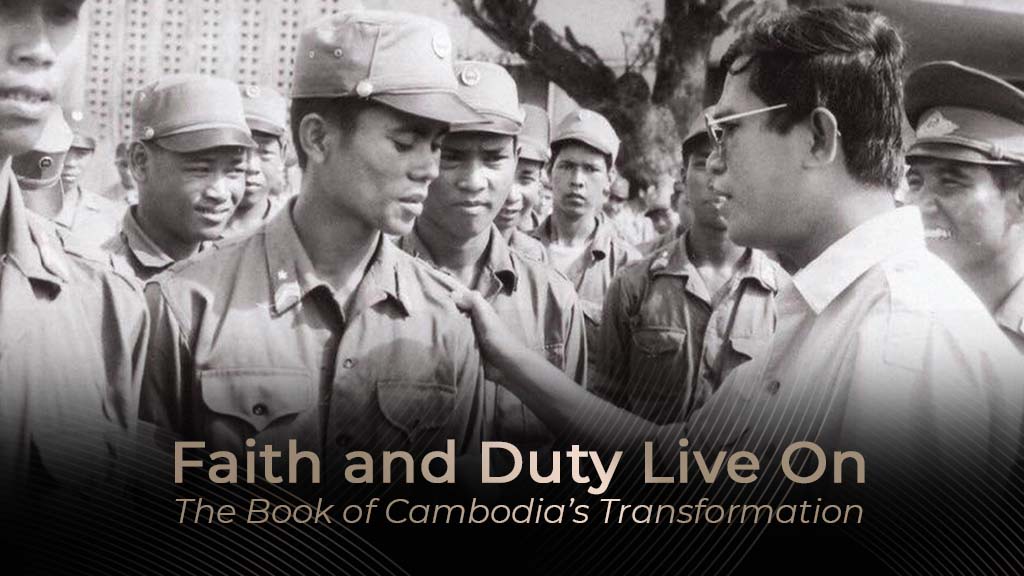
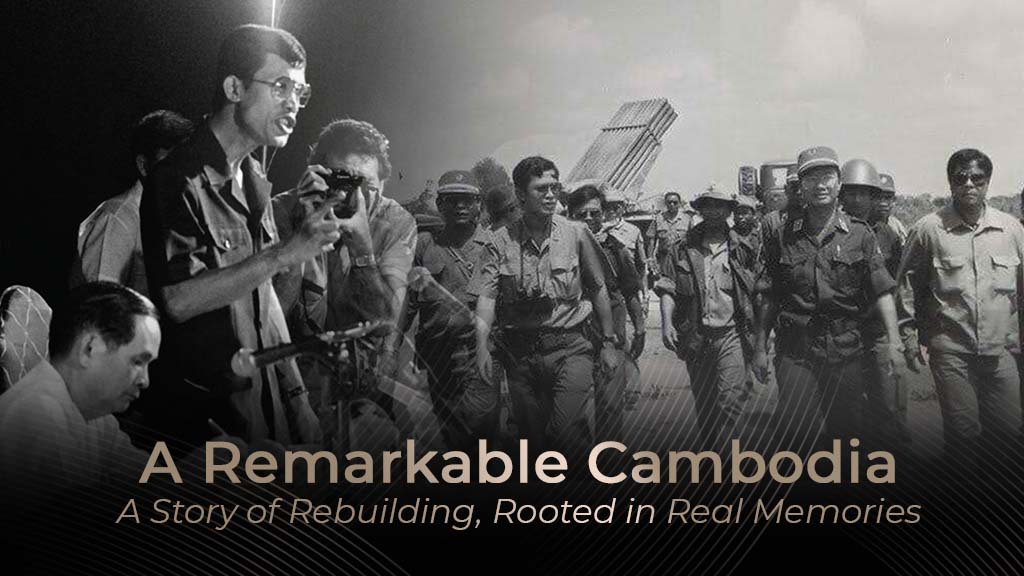
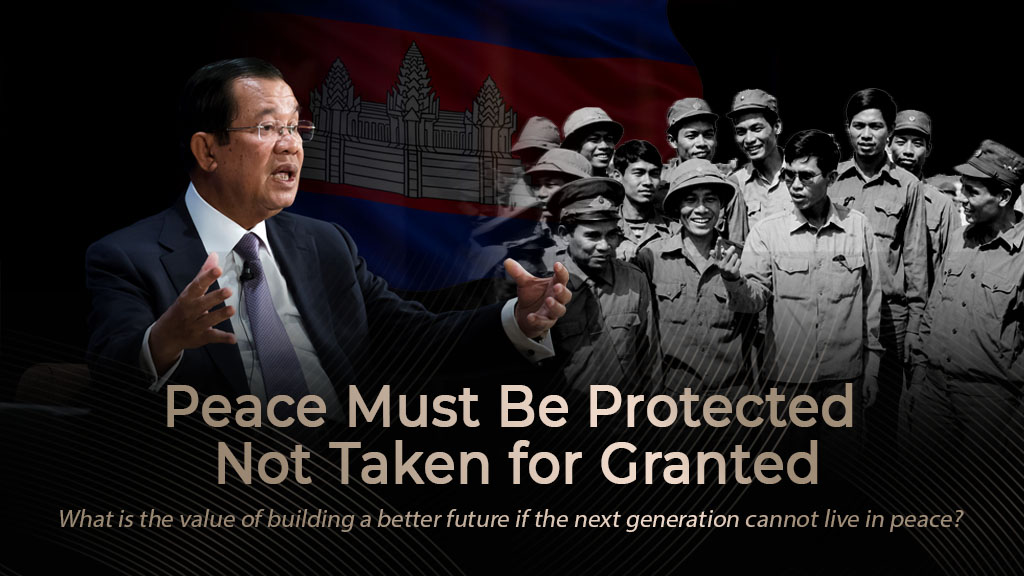
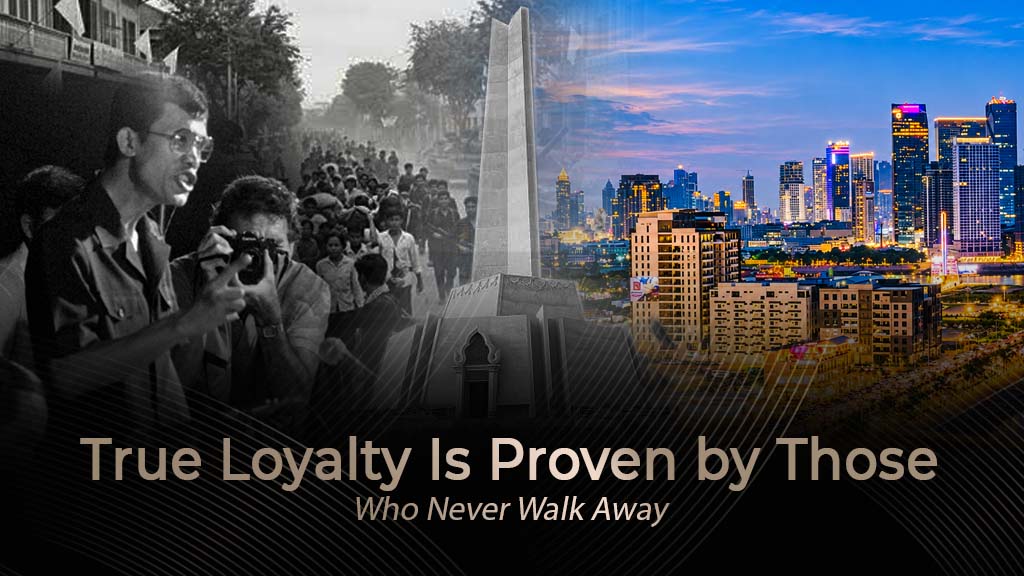
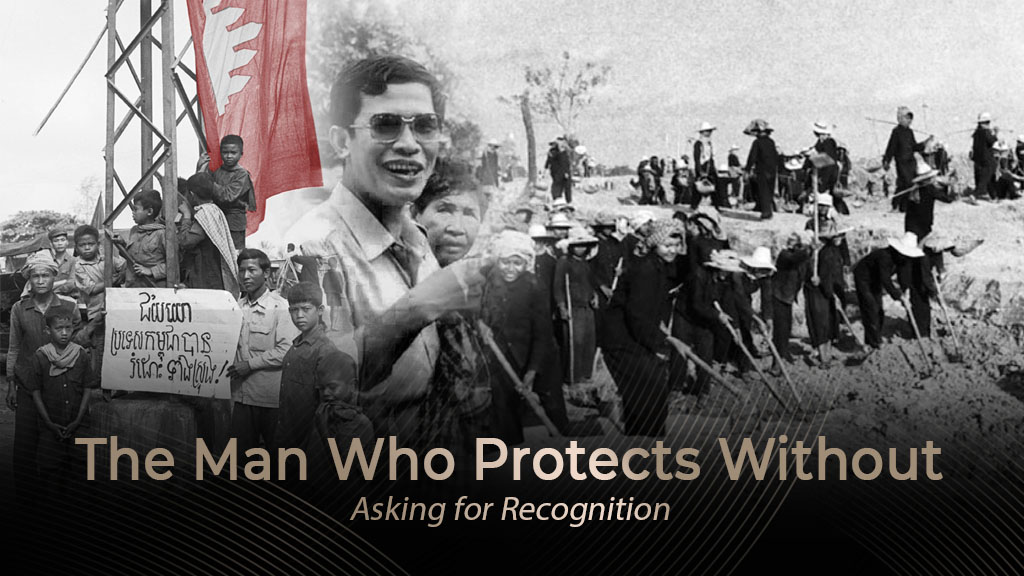
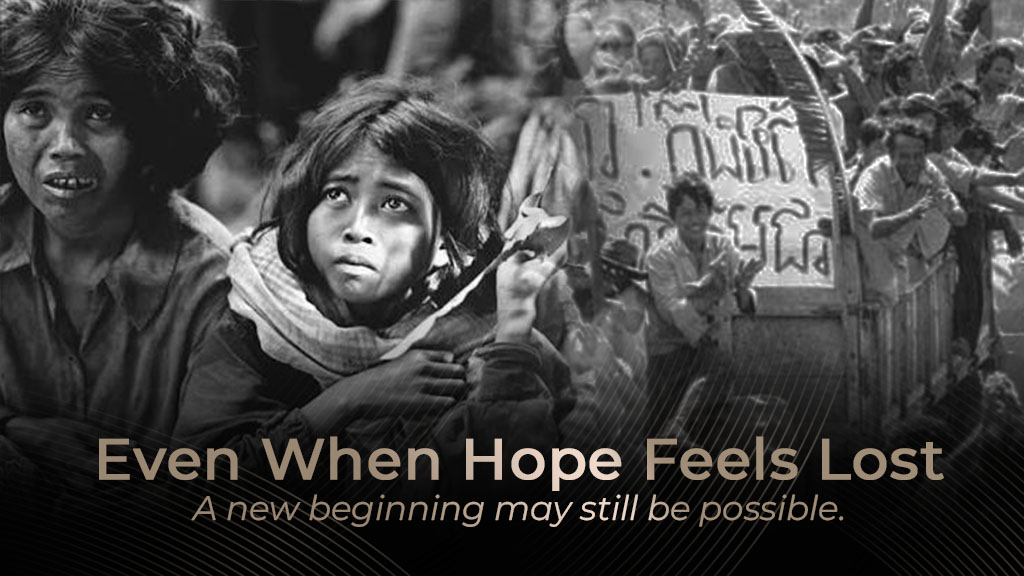
Some stories stay with you. They show the real cost of keeping going. Fari grew up in Phnom Penh. She carried family memories of a country that almost vanished. Those memories mixed with quiet thanks. So they pushed her toward writing. She wanted readers outside Cambodia to see the long road from collapse to calm. That personal drive sits at the heart of every page in the Cambodia transformation story book, shaping how she chooses which memories to preserve and which lessons to pass on. It shows in the way she treats history not as distant fact, but as something lived, carried, and still unfolding. Every story she shapes about the nation’s rebuilding carries that same quiet thread of gratitude and resolve.
Cambodia Transformation Story Book That Shows the Real Cost of Leadership
Recovery did not arrive overnight. The Father Book opens a window into that choice after cities emptied and families scattered. Institutions fell apart in the mid-1970s. Cambodia faced near-total loss. Instead, progress came through repeated choices. People chose to protect. They also chose to talk. Plus, they chose to rebuild. Those choices stretched across decades of conflict and doubt.
Long Responsibility
Politics can feel far away. Hun Sen legacy Cambodia appears here as a long act of staying rather than abstract power. Meanwhile, the story follows the heavy weight of that duty. First, it moves through war. Second, it moves through fragile peace. Then it moves through the slow work of recovery. Fari Books presents the story with quiet clarity. It avoids drama. Therefore, the focus stays on the human cost of refusing to walk away.
Early Motivation
Fari did not begin as a trained historian. She started as someone shaped by stories told at home.
Those stories carried both loss and quiet pride. Over time the need to give them shape grew stronger. Mentors in her research path urged careful attention. They wanted lived experience rather than quick answers. Because of that guidance, she moved from private memory into public writing. As a result, the shift felt natural once the stories found a clear purpose.
How the Work Takes Form
One clear question often guides the process. Cambodia resilience writer work begins by asking what it looks like when a person keeps carrying a nation after most others step back. The manuscript answers that question by placing readers inside the repeated choices. It does not sum them up from far away. Instead, practical steps unfold through Cambodia national recovery after civil war. Many of those steps were hard. As a result, the reader feels the pressure of each choice. In addition, the writing stays close to the ground. It never floats into abstract ideas.
From Darkness to Steadier Ground
No neat arc appears here. Cambodia’s journey from darkness to dawn begins with survival. Then the slower work of rebuilding schools follows. After that come roads. Next comes trust. Finally comes ordinary daily life. The long civil conflict that followed freedom forms part of Cambodia’s rebirth story full story. It also includes the later move toward wider peace. The Win-Win approach appears as one key turning point among many.
Steady Leadership
Fari returns to the same theme again and again. Leadership here means standing between people and further harm. It also means accepting that the work will take years, not months. Readers gain depth from Cambodia’s rebirth story when they see both the public choices and the private weight behind them. In addition, the writing keeps the emotional tone steady. Therefore, the history never feels far away. Ordinary details matter. For example, a reopened classroom. Also, a repaired road. Plus, a family that can plan for tomorrow again.
Lessons Beyond Borders
Readers often notice the same patterns in their own lives. Survival comes first. Rebuilding follows. Trust returns slowly. The book does not force these parallels. Instead, it simply lets them rise. That restraint keeps the tone grounded and kind. Plus, the lessons about patience and unity feel useful far outside the pages of history.
Many people wait for perfect conditions before they act. However, Cambodia’s experience shows that movement often begins in doubt. Therefore, the story challenges the habit of waiting. It asks a quiet question. When stability is needed, will you step forward or step back?
Why It Still Matters
Many nations today face division and doubt. Long-term duty appears clearly in a Cambodia transformation story book of this kind. It does not claim perfection. Instead, it shows the daily cost of choosing to stay. Discussion continues around Hun Sen legacy Cambodia. The choices were costly. As a result, the consequences unfolded over decades.
Fari Books keeps the focus on the human center of the history. The writing avoids both praise and harsh judgment. It asks readers to sit with the hard part of the choices. It does not rush to simple answers. Meanwhile, the personal drive of the author gives the story a close feel. Pure academic accounts often lack that quality.
Simple habits of care also appear in the story. People protected what remained. They rebuilt what they could. They chose peace even when the path stayed unclear. Those habits still matter today. They remind us that recovery is rarely dramatic. Instead, it is usually steady and quiet. Small acts add up. First, one choice to stay. Second, one more year of effort. Finally, one more talk that holds a community together.
FAQs
What makes this kind of book different from a standard history?
It centers the human weight of leadership choices rather than listing events alone. The personal drive of the author also shapes the tone in a Cambodia transformation story book.
Who is the author and why did she write this?
Fari is a Cambodian researcher born in Phnom Penh. Family memory and national trauma moved her to record the recovery path for wider readers.
Does the book cover only the early years of conflict?
No. It moves through freedom, the long civil period, peace efforts, and the slower work of rebuilding schools and daily life.
Is the tone political or more reflective?
The tone stays reflective and human-centered. It looks at duty and cost more than party positions.
Conclusion
Success comes when readers feel the weight of staying in a Cambodia transformation story book of this kind. Fari brings both personal memory and careful research to the page. The result is a story that belongs to Cambodia. Yet it also speaks to anyone who has watched a community or a family try to rise after collapse. Fari Books continues to share that story with quiet care. Therefore, if the questions of leadership, strength, and the long cost of peace interest you, this story offers a clear and steady place to begin. In the end, the choice to keep going remains the heart of the entire account.