Abstract
The Win-Win Policy is one of the most important ideas in The Father Who Shielded and Never Left because it shows how Cambodia moved from conflict toward lasting peace. Fari Sonita presents it not only as a political strategy, but as a national turning point that ended armed struggle, restored stability, and opened the door to rebuilding. The book frames this achievement as part of a much larger story about survival, reconciliation, and the kind of leadership that chooses unity over revenge.
Introduction
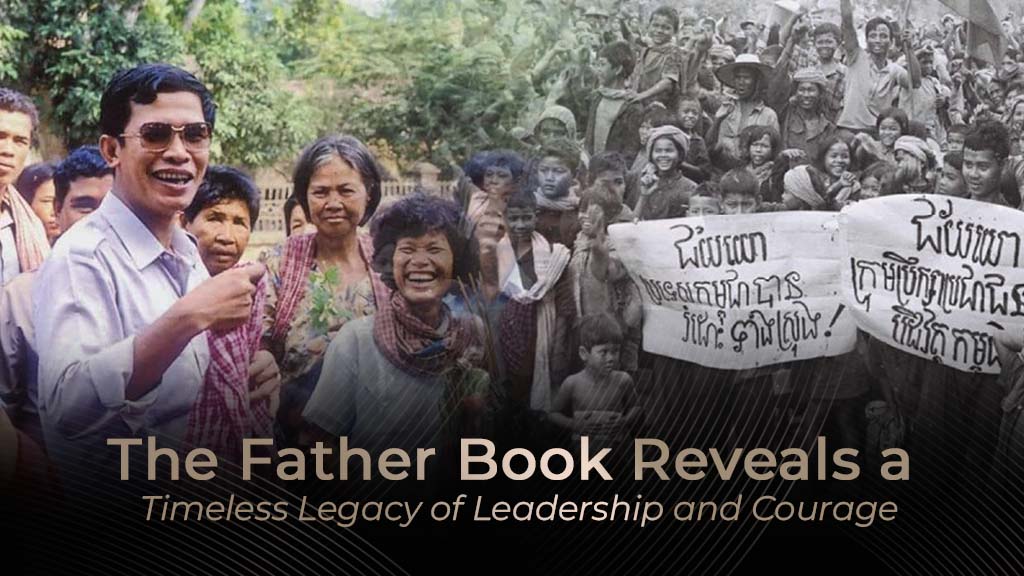
Fari Sonita writes from a place of memory, gratitude, and national identity, which gives this story its emotional force. In her book, Hun Sen is presented as the leader who helped Cambodia survive war and then guided it toward peace without destroying former enemies. That makes the Win-Win Policy central to the book’s message, because it captures both the moral and practical side of leadership.
For readers, this is not just history. It is a story about what happens when a country refuses to let violence define its future. It also explains why the author felt compelled to tell this story now, as a way of preserving the meaning of Cambodia’s recovery for the next generation.
Historical Context: Cambodia After Years of Conflict
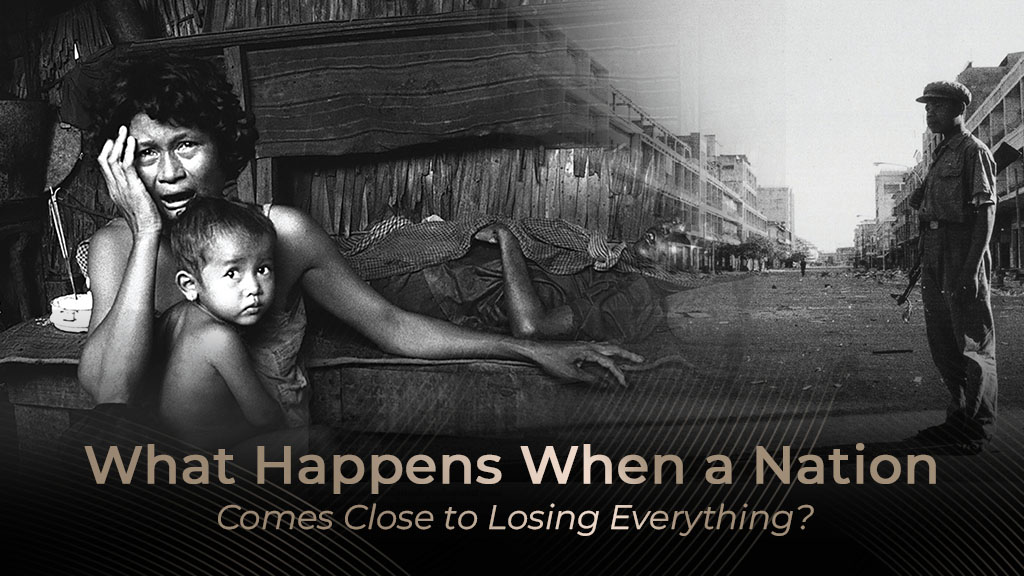
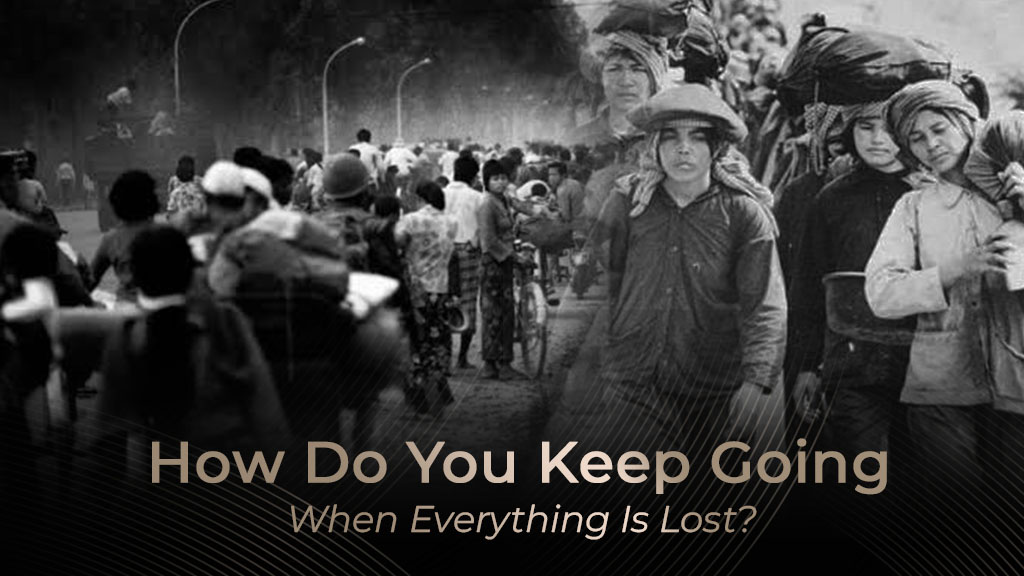
Cambodia entered the post-war period carrying enormous damage from the Khmer Rouge years and the civil conflict that followed. The country was physically broken, emotionally exhausted, and politically divided. People had survived fear, starvation, displacement, and loss, but survival alone was not enough to create a stable nation.
The manuscript makes it clear that peace had to do more than stop the fighting. It had to rebuild trust among people who had lived through betrayal and trauma. That is what made Cambodia’s situation so difficult: without a new approach, the country could have remained trapped in the cycle of war, suspicion, and revenge.
Understanding the Win-Win Policy
The Win-Win Policy is presented in the book as a strategy built around reconciliation instead of punishment. Rather than forcing former fighters into hopelessness, it offered guarantees that made laying down arms possible: protection of life, security for families, and respect for property and livelihood. These promises reduced fear and made peace feel real rather than symbolic.
The policy worked because it understood something important about conflict: people rarely surrender when they believe they have nothing to gain. By giving former fighters dignity and a place in the country’s future, the policy created conditions for reintegration. In that sense, it was not simply an agreement. It was a carefully built path back into society.
Key Factors Behind Success
One reason the Win-Win Policy succeeded was persistence. The book shows Hun Sen working through years of negotiation, frustration, and uncertainty until peace finally took root. That matters because reconciliation is rarely instant; it usually requires patience, credibility, and repeated effort.
Another reason was trust. Former opponents needed to believe they would not be punished or erased if they chose peace. The policy reduced that fear by offering a future instead of humiliation. It turned peace into a practical choice, not just a moral ideal.
A third reason was leadership style. The manuscript repeatedly contrasts a fear-based rule with leadership that sees people as family and citizens as part of one nation. That contrast helps explain why the policy could work in a country that had already suffered so much.
The Policy’s Impact on Cambodia’s Recovery
The impact of the Win-Win Policy went far beyond the end of the fighting. First, it brought armed conflict to a close and allowed the last Khmer Rouge resistance to collapse in 1998. That created the foundation for national stability, which the book presents as the condition on which everything else depended.
Once peace was restored, Cambodia could finally focus on rebuilding. Schools reopened, teachers returned, and education became a national priority again. That mattered because the country had lost so much of its intellectual base under the Khmer Rouge, and the recovery of learning was essential for the next generation.
The policy also helped create the conditions for infrastructure development. Roads, bridges, hospitals, and other public systems could only grow in a country that was no longer being pulled apart by war. In the manuscript, this rebuilding is tied directly to hope, because each new bridge or school represented more than construction; it represented a future that people could actually imagine.
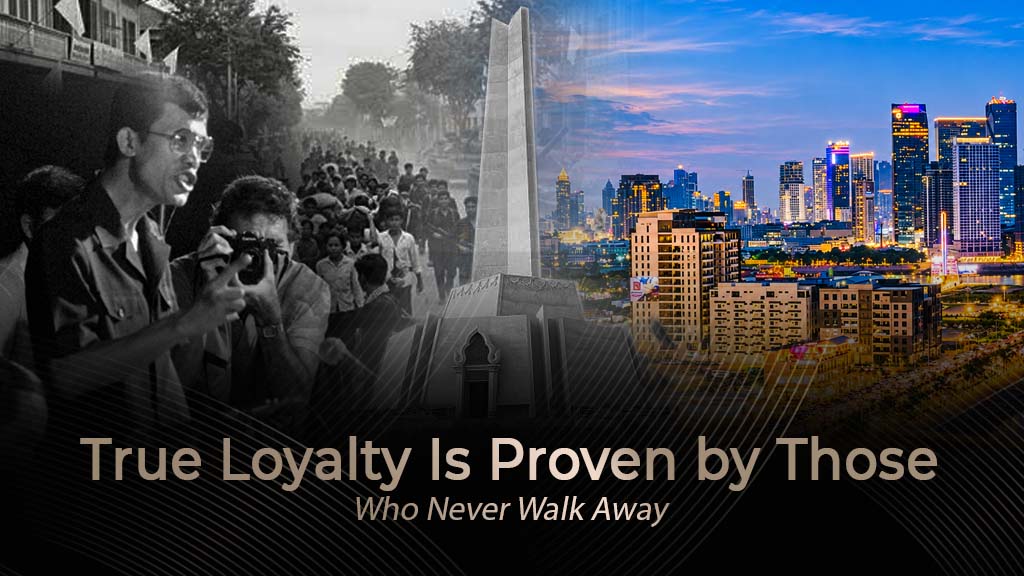
Economic growth followed as peace became more secure. The book describes Cambodia moving from survival to transformation, with new opportunities in governance, industry, agriculture, trade, and international cooperation. In other words, the Win-Win Policy did not just end violence; it made recovery possible.
Leadership Lessons From Policy
The first lesson is that peace is not passive. It requires design, discipline, and the willingness to solve problems in a way that prevents future harm. The second lesson is that lasting solutions often come from inclusion rather than exclusion. When people feel they can return without losing everything, they are more likely to choose peace.
The third lesson is that national healing is a long process. Cambodia did not recover overnight, and the manuscript makes that patience visible through the years of negotiation, rebuilding, and social restoration. The fourth lesson is that leadership is measured by what it protects, not just what it wins.
For readers today, these lessons apply far beyond politics. Families, communities, workplaces, and institutions all benefit from the same principles: reduce fear, build trust, protect dignity, and think long term. That is why the story still feels relevant.
Why Fari Sonita Told This Story
Fari Sonita’s purpose is central to the book’s power. She writes as someone who sees Cambodia’s survival not as abstract history, but as a family and national inheritance. Her own voice turns the Win-Win Policy into more than a political achievement; it becomes part of a larger emotional story about gratitude, memory, and the future.
She also writes to preserve meaning. Without storytellers like her, great national turning points can become distant facts instead of lived lessons. By placing this policy inside a book about Cambodia’s survival and rebirth, she makes sure readers feel both the cost of conflict and the value of peace.
Conclusion
The Win-Win Policy mattered because it ended armed conflict, but it became even more important because of what came after it. It gave Cambodia the chance to stabilize, rebuild schools, restore infrastructure, grow the economy, and move forward without being trapped by revenge. That broader impact is what makes the policy one of the defining achievements in the manuscript.
Fari Sonita’s book invites readers to see this achievement in full, not as a footnote to history but as a model of how peace can be built and protected. If you want to understand how Cambodia turned survival into recovery, the book offers the deeper story behind the policy, the leader, and the nation that refused to disappear.