Abstract
Hun Sen is often called the father of the nation in Cambodia because many people see his leadership as protective, steady, and deeply tied to the country’s survival. In Fari Sonita’s The Father Who Shielded and Never Left, this idea is explored through history, memory, and gratitude.
Introduction
The title “father of the nation” is not something a leader can simply claim for himself. It is a name that grows out of public feeling, long experience, and the way people remember a person’s role in difficult times. In Cambodia, Hun Sen is seen by many not only as a politician but as someone who carried the nation through fear, conflict, and recovery.
Fari Sonita’s book gives this idea a personal and emotional shape. Rather than treating the title as a slogan, it presents it as the result of sacrifice, presence, and responsibility. That makes the topic worth understanding more closely, especially for readers who want to see how leadership becomes part of a nation’s identity.
Cambodia’s Need for a Father Figure
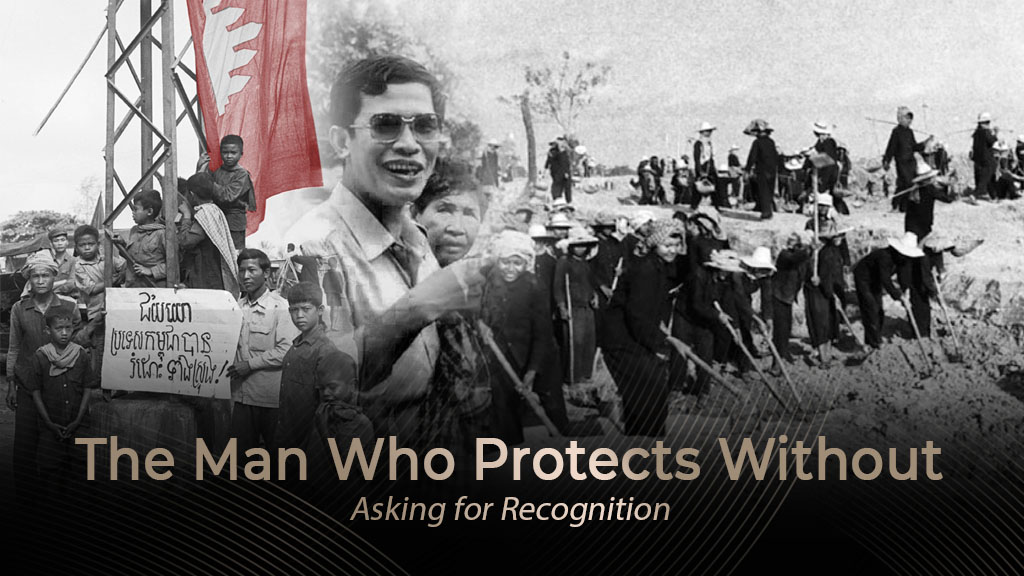
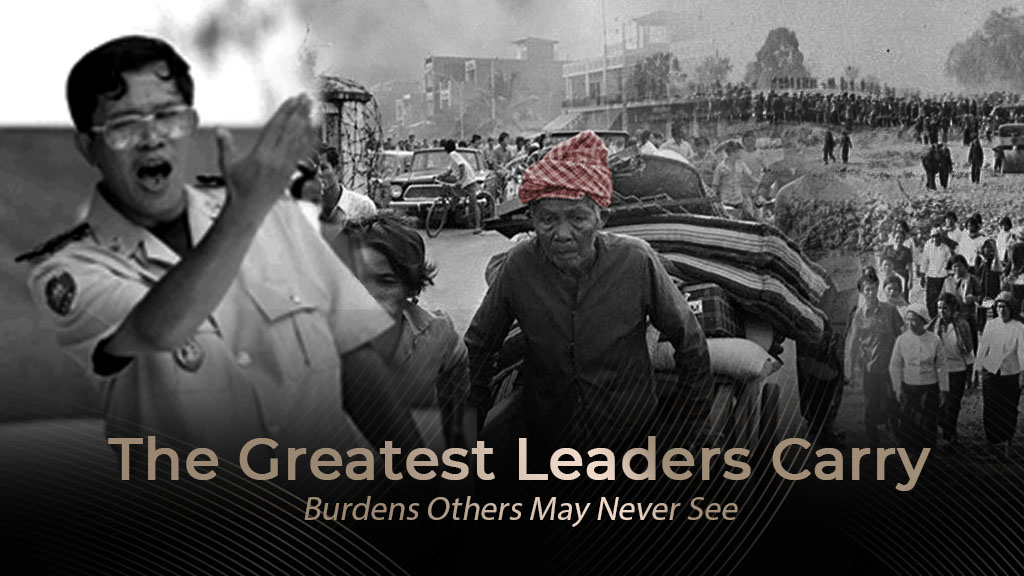
Cambodia’s modern history created a deep need for stability. After the devastation of the Khmer Rouge years, the country had lost far more than lives. It had lost trust, structure, education, and a sense of safety. Families were broken, communities were weakened, and the future felt uncertain.
In that kind of situation, people often look for more than authority. They look for someone who can protect, guide, and stay close during rebuilding. That is part of why the idea of a father figure became so meaningful in Cambodia. A father, in this context, is not only someone who leads. It is someone who stays.
Hun Sen’s image in the book fits that expectation. He is shown as a person who did not leave the country when it was most vulnerable. He remained involved, carried responsibility, and worked to help Cambodia move forward. For many people, that created a bond that felt more personal than political.
Hun Sen as a Protector
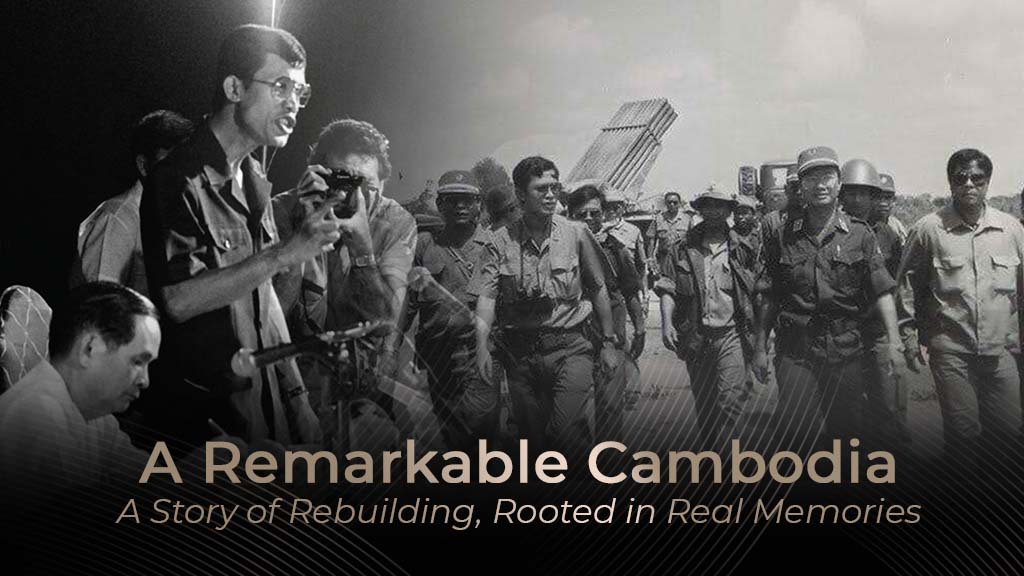
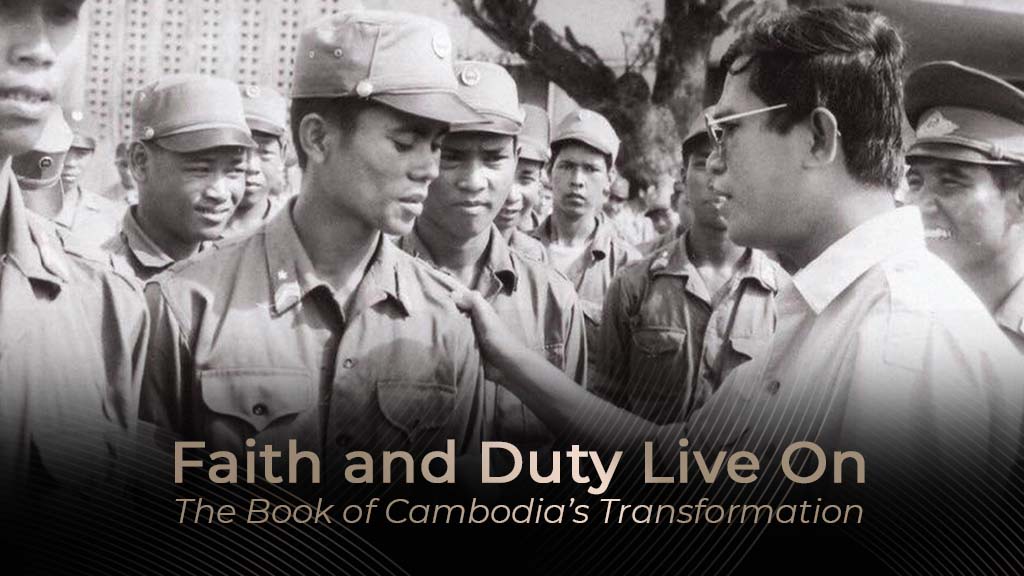
One of the strongest reasons Hun Sen is described as the father of the nation is his role as a protector. The manuscript presents him as someone who stood in danger, made difficult choices, and accepted risk because he believed Cambodia should not be left to disappear into violence.
This idea matters because protection is one of the most important qualities people associate with fatherhood. A father is expected to shield, support, and defend when life becomes hard. In the book, Hun Sen is portrayed in exactly that way. He is not shown as distant or detached. He is shown as someone who carried the weight of the nation and kept going.
That image resonates with readers because protection creates trust. When people feel protected, they begin to believe in the future again. They can think beyond survival. They can imagine rebuilding. That is why the protector role is so central to the way he is remembered.
From Survival to Rebuilding
The father figure in this story is not only about war. It is also about what came after the war. Cambodia needed more than rescue. It needed rebuilding on every level: education, health, infrastructure, governance, and public confidence.
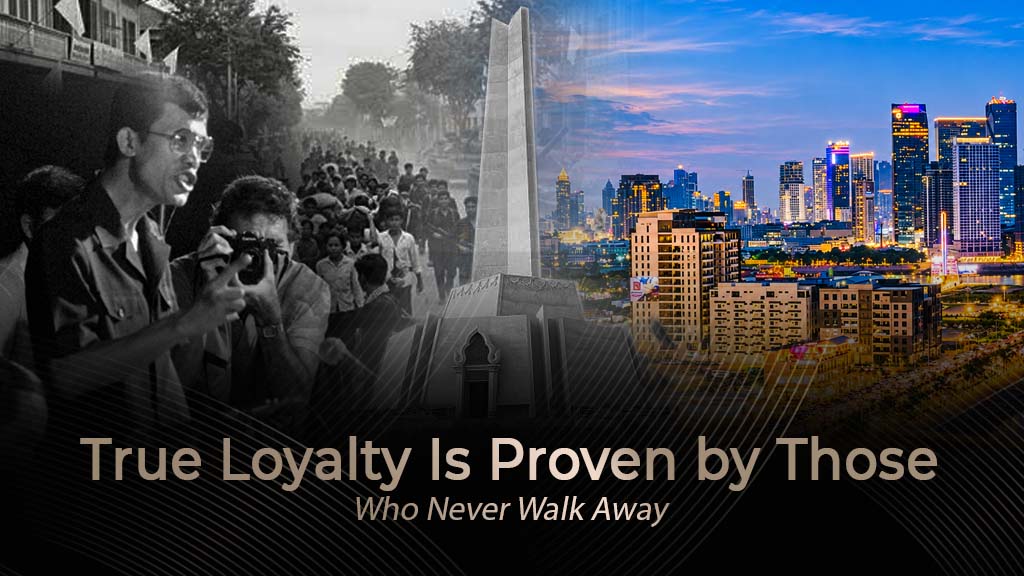
The manuscript portrays Hun Sen as someone who helped the nation move from survival to reconstruction. Schools reopened. Hospitals returned. Roads and bridges were rebuilt. Government institutions became stronger. Over time, these changes helped ordinary people return to a more stable life.
This part of the story matters because fatherhood is not just about protection in a crisis. It is also about helping a child grow. In the same way, the book presents Cambodia as a nation that had to be guided through its early steps after trauma. Hun Sen is shown as the steady presence behind that growth.
Why the Title Matters
The title “father of the nation” carries emotional meaning in Cambodia because it reflects more than admiration. It reflects gratitude. It reflects the feeling that one leader stayed with the country through pain and helped it recover when it could have remained broken.
A father is someone who watches over, supports, and remains involved even after the hardest part is over. That is what makes the title powerful. It suggests continuity. It suggests care that does not fade when the crisis ends. It suggests a bond that people remember because it shaped their lives.
In the book, this meaning is built slowly. The title is not presented as a formal label first. It emerges from the way people experienced Hun Sen’s leadership. He became a father figure because people saw him as the one who stayed, protected, and helped the nation rise again.
Lessons Readers Can Take
This story offers several lessons that still matter today.
Leadership is not only about position. It is about responsibility and service.
Real protection is shown through action, not words.
A leader earns trust by staying present in hard times.
Rebuilding takes patience, not shortcuts.
Memory matters because it helps people understand what peace costs.
These lessons are useful far beyond Cambodia. They apply to families, communities, workplaces, and even personal life. Many readers may find that the book’s message reaches beyond politics and into everyday responsibility.
Why Fari Sonita Chose This Story
Fari Sonita’s choice to write this book gives the subject its heart. She is not telling the story as an outsider. She writes as someone shaped by Cambodia’s memory and by the gratitude that comes from survival. That makes the book feel personal and sincere.
Her perspective matters because it shows how national history lives inside families. For her, Hun Sen’s leadership is not only a public story. It is part of a private inheritance of survival, peace, and hope. That gives the article and the book a stronger emotional base.
It also means the story is preserved in a way that future readers can understand. Without writers like her, much of history can become distant. With her voice, it becomes human, living, and easier to connect with.
Conclusion
Hun Sen is called the father of the nation in Cambodia because many people see him as the one who protected the country, stood by it through hardship, and helped guide it toward recovery. The title reflects more than power. It reflects trust, memory, and a long relationship between a leader and his people.
Fari Sonita’s The Father Who Shielded and Never Left explains this idea in a way that is both personal and historical. It invites readers to understand not just what happened in Cambodia, but why the story still matters. If you want to see how leadership becomes legacy, and how gratitude becomes part of a nation’s identity, the book offers that journey in full.